Streaming made songs shorter, but the biggest hits are getting longer again
In the streaming era, intros vanished and the average charting song fell to about three minutes. Streaming pays per play, not per minute. Yet the top 10 hits of 2024 were the longest since 2017, a sign the shrinking may have peaked.
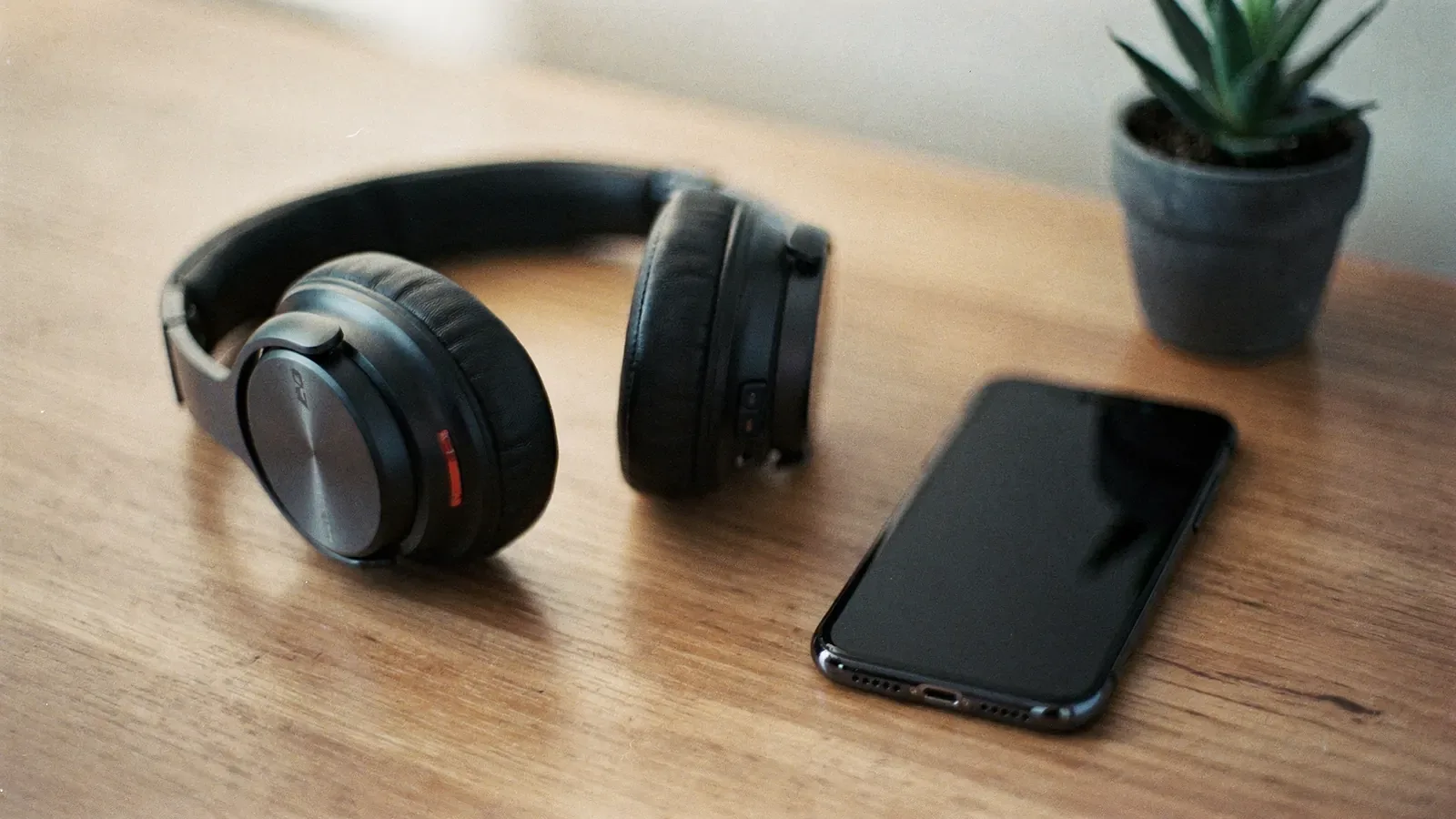
Yes, popular songs got shorter in the streaming era, and the way streaming counts and pays for plays is widely seen as one reason. Services count a play after 30 seconds and pay by share of plays, not minutes, which rewards short songs that are replayed. But the trend is not one-way: the average US top 10 hit in 2024 ran 3:40, 22 seconds longer than in 2023.
Are songs really getting shorter?
On the streaming charts, yes. The music data company Chartmetric reported that the average song on Spotify's charts in 2024 was around three minutes long, nearly 15 seconds shorter than in 2023 and 30 seconds shorter than in 2019, in an analysis published on 3 April 2025 drawing on its 2024 Year in Music report. Between 2018 and 2024, every top genre shortened by at least 17 seconds, with hip-hop and Latin music each down 29 seconds.
The shrinking began before streaming was dominant. A study by Hubert Léveillé Gauvin, then at Ohio State University, examined 303 US top 10 singles from 1986 to 2015 and found that instrumental intros averaging more than 20 seconds in the mid-1980s had fallen to about 5 seconds, a 78% drop, Phys.org reported in April 2017. Tempo also rose and vocals arrived sooner.
How does streaming pay for a song?
By the play, not by the minute. Spotify's support page for artists says a song stream is counted when a listener plays it for at least 30 seconds. Royalties are then shared out by streamshare: each month, in each country, a rights holder's streams are divided by total streams in that market to give its share of the royalty pool, Spotify explains.
That system has a simple consequence. A two-and-a-half-minute track and a six-minute track each count as one stream once 30 seconds have passed. In the same listening time, the shorter song can be played more than twice as often, and every play counts towards the artist's share.
- A stream counts after 30 seconds of listening, whatever the song's length.
- Each stream carries the same weight in the streamshare calculation.
- Since 1 April 2024, a track needs at least 1,000 streams in the previous 12 months to earn recording royalties on Spotify.
- Also since April 2024, 'functional noise' tracks such as white noise must be at least two minutes long to earn royalties.
The last two rules, confirmed by Music Business Worldwide, target tracks made artificially short to multiply plays. Spotify said two minutes of noise listening would now count as one royalty-bearing stream, not four.
Is streaming the only reason songs got shorter?
No. Léveillé Gauvin's data begin in 1986, long before streaming services existed. He framed the change as part of an "attention economy" in which easy skipping forces songs to grab listeners quickly, and noted that technology has long shaped music: the compact disc made skipping easier than vinyl or cassettes.
Formats also shaped length in the other direction. Chartmetric's review notes that the average hit grew to about 4 minutes 14 seconds by the end of the 1990s, a rise it attributes partly to the CD's capacity. Physical formats are now a niche again; our article on why vinyl outsells CDs in the US looks at that side of the market.
Are hit songs getting longer again?
At the very top of the charts, yes, at least in 2024. The analysis firm Hit Songs Deconstructed found that the average length of Billboard Hot 100 top 10 hits rose by 22 seconds in 2024 to 3:40, the longest since 2017, in its 2024 trend report. Songs of four minutes or more were the most common length band for the first time in over a decade, at 29% of top 10 hits.
The two findings are compatible. Chartmetric measured the broad set of charting songs on Spotify, while Hit Songs Deconstructed looked only at the biggest US hits. A handful of long blockbusters can raise the average at the top while the typical streaming song stays short. Whether 2024 marked a turning point will only be clear from several more years of data.
What does this mean for listeners?
Mostly, songs that get to the point faster: shorter intros, earlier choruses and quicker endings. Longer, slower-building music has not disappeared, but it is less likely to dominate playlists built around instant engagement. Listeners who want to explore beyond the charts can also borrow audiobooks and ebooks through local libraries, whose digital lending hit a record in 2025, as our report on public library use explains.
Frequently asked questions
How long does a song have to play to count as a stream?
On Spotify, a song stream is counted when a listener plays it for at least 30 seconds, according to the company's own support page for artists. Music video streams use the same 30-second threshold. Plays shorter than that do not count towards an artist's stream total or royalties.
Do longer songs earn more money on streaming services?
Not per play. Spotify divides each market's royalty pool according to each rights holder's share of total streams, and a stream counts once 30 seconds have been played. A six-minute song and a three-minute song therefore earn the same for one play, while the shorter song can be played more often in the same time.
What is the average length of a pop song now?
It depends on the chart measured. Chartmetric put the average Spotify charting song at around three minutes in 2024, down 30 seconds from 2019. Hit Songs Deconstructed found the average Billboard Hot 100 top 10 hit in 2024 lasted 3:40, up 22 seconds on 2023. Both figures are averages and individual hits vary widely.
Why have song intros become so short?
Research by Hubert Léveillé Gauvin on 303 US top 10 singles from 1986 to 2015 found intros fell from over 20 seconds to about 5 seconds. He linked the change to competition for listeners' attention: with skip buttons and endless choice, songs that reach the voice and the hook quickly are less likely to be abandoned.
Sources
- Spotify for Artists — How your streams are counted (accessed November 2026)
- Spotify Loud & Clear — How is streamshare calculated? (accessed November 2026)
- Music Business Worldwide — Changes to Spotify's royalty model are officially live (2 April 2024)
- Chartmetric — Why songs seem shorter, and why it's more complicated than you think (3 April 2025)
- Hit Songs Deconstructed — The state of the Hot 100 top 10: 2024 trend report (accessed November 2026)
- Phys.org — In the age of music streaming, the instrumental intro is disappearing (4 April 2017)
More to read

Public libraries boom online as digital loans hit records and staff shrink
Library borrowing is at record levels, but mostly on phones: digital loans through the Libby app passed 820 million in 2025. In-person use has recovered since the pandemic, while in England staff numbers have nearly halved since 2010.
Vinyl outsells CDs in the US, but CD sales are growing faster in 2026
In the United States, vinyl records have outsold CDs every year since 2022, and vinyl revenue passed $1 billion in 2025. In the first half of 2026, however, CD sales grew much faster than vinyl, and in the UK the CD still sells more units.
First year above 1.5C: 2024 crossed the line, and 2026 is set to follow
2024 was the first calendar year more than 1.5C warmer than pre-industrial times. Copernicus says 2026 is virtually certain to be the second, but the Paris Agreement limit refers to a 20-year average, not single years.