Overtourism in Europe: how Venice, Barcelona and Amsterdam are pushing back
Europe received a record 793 million international tourists in 2025. Venice, Barcelona and Amsterdam now use entry fees, higher taxes and limits on holiday lets, and in November 2026 the EU adopted its first tourism strategy.
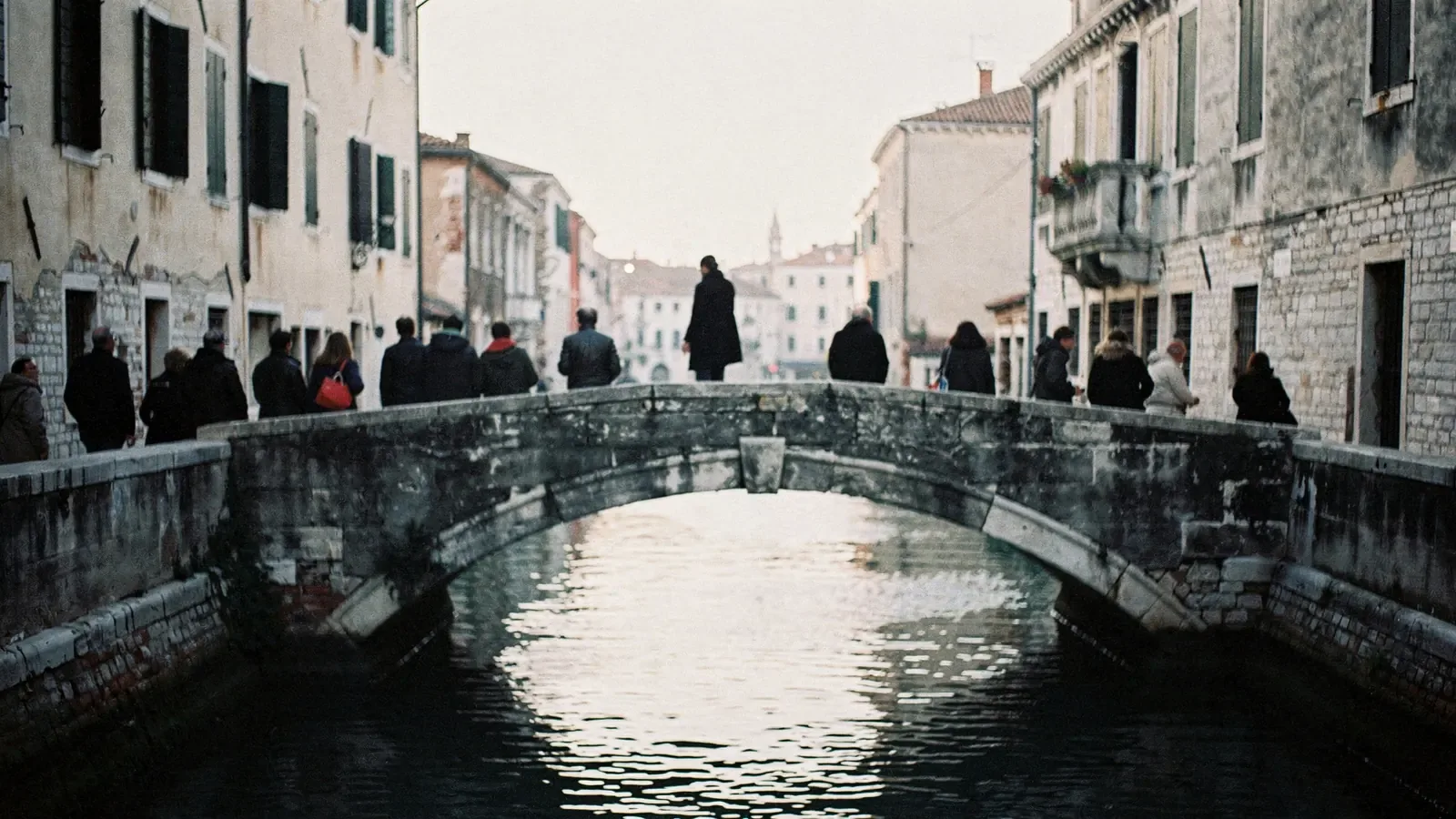
Europe's most visited cities are trying to make tourism cost more and crowd less. Venice charges day-trippers an entry fee, Barcelona has doubled its tourist tax and plans to end holiday flats in 2028, and Amsterdam wants to raise its tax to 20%. These measures raise money, but there is still little published evidence that they reduce crowds.
How many tourists does Europe receive?
More than ever. Europe, the world's largest tourism region, received 793 million international arrivals in 2025, according to UN Tourism's World Tourism Barometer, published by Hospitality Net. Worldwide arrivals reached about 1.52 billion. Spain set its own record: the national statistics office INE counted 96.8 million foreign tourists in 2025, up 3.2%, with Catalonia, home to Barcelona, receiving about 20.1 million.
The pressure is concentrated. Presenting the new EU strategy, Transport and Tourism Commissioner Apostolos Tzitzikostas said that 13% of European regions account for half of all nights spent in Europe, Travel Tomorrow reported.
Why are residents protesting?
The main complaint is housing. On 15 June 2025, groups under the banner "Southern Europe against Overtourism" marched in Barcelona, Palma, other Spanish cities and in Italy and Portugal, Euronews reported. Protesters argued that holiday rentals and mass tourism push up rents and force locals out of central neighbourhoods. In Barcelona, some fired water pistols at shop windows; the city police put turnout there at 600, while about 120 groups backed the march.
What are Venice, Barcelona and Amsterdam doing?
Each city has picked a different lever: Venice prices day visits, Barcelona taxes overnight stays and removes tourist flats, and Amsterdam combines a percentage tax with a cap on overnight stays.
| City | Measure | Detail |
|---|---|---|
| Venice | Day-tripper access fee | €10, or €5 if booked at least three days ahead; applied on 60 dates in 2026 |
| Barcelona | Tourist tax doubled from April 2026 | Up to €15 a night in five-star hotels; holiday rentals up to €12.50 |
| Barcelona | End of tourist apartments | About 10,000 licences not renewed in November 2028 |
| Amsterdam | Overnight tax of 12.5% | Plan to raise it to 16% in 2027, then towards 20% |
| Amsterdam | Cap on visitor nights | Pledge to keep tourist overnight stays below 20 million a year |
In Venice, the fee raised more than €5 million in 2026 from over 650,000 paying day visitors, a record, according to the Swiss news agency Keystone-SDA as published by blue News. The scheme remains limited to selected peak days.
In Barcelona, a quarter of the extra tax revenue is earmarked for the housing crisis, RTÉ reported. Cruise passengers continue to pay around €6. The plan to end tourist flats survived a legal challenge: in March 2025 Spain's Constitutional Court upheld the Catalan decree that allows the city not to renew about 10,000 licences in November 2028, Catalan News reported.
In Amsterdam, the new city administration wants to raise the overnight tax from 12.5% to 16% next year and then by one point a year to 20%, and has reiterated plans to close the sea cruise terminal, DutchNews reported in June 2026. These remain plans, not adopted policy.
Do entry fees and tourist taxes actually work?
They clearly raise revenue; whether they cut crowds is not yet proven. Venice's fee is small next to the cost of a trip, and the figures released so far cover revenue and paying visitors rather than a measured drop in crowds. Barcelona's tax rise is designed partly to fund housing rather than to deter visitors. Amsterdam has kept its pledge of fewer than 20 million overnight stays while also continuing to promote the city abroad, DutchNews noted. Tourism also brings jobs and income, and the hotel trade is wary: one Barcelona hotel group director told RTÉ that "one day they will kill the goose that lays the golden eggs".
What is the EU doing about overtourism?
The EU has adopted guidance, not rules. On 4 November 2026 the European Commission presented its first Sustainable Tourism Strategy. It proposes an EU model for tourism management, a Council recommendation and a Toolbox for Balanced Tourism to help destinations manage visitor flows, spread trips across the year and steer visitors towards less-visited places. Commissioner Raffaele Fitto said: "Our objective is not simply to attract more tourists to the same destinations." Better rail links are part of that picture, which is why Europe's night trains and new border rules for non-EU visitors also matter to how and where people travel.
Frequently asked questions
How much is the Venice entry fee?
In 2026 day visitors paid €10, or €5 if they booked at least three days in advance, on 60 selected peak dates from April onwards. The fee does not apply every day: once the 60 dates had passed, entry was free for day visitors for the rest of the year. It raised more than €5 million from over 650,000 paying day visitors, a record for the scheme, according to the Keystone-SDA news agency.
Is Barcelona banning Airbnb-style flats?
Barcelona plans not to renew about 10,000 tourist apartment licences when they expire in November 2028, which would end legal short-term holiday flats in the city. Spain's Constitutional Court upheld the Catalan decree behind the plan in March 2025, ruling that it does not violate property rights. Airbnb and owners of tourist flats have criticised the measure.
Which European city has the highest tourist tax?
Amsterdam is among the most expensive: in the holiday-rental site Holidu's 2025 comparison cited by RTÉ, it charged €18.45 a day, and its rate of 12.5% of the room price is set to rise towards 20%. Barcelona, 11th in that list before its increase, doubled its tax in April 2026, to as much as €15 a night in five-star hotels. Rankings depend on the type and price of accommodation.
Is overtourism getting worse in Europe?
Visitor numbers keep rising. Europe received 793 million international tourists in 2025, 6% more than in 2019, and Spain set a new record of 96.8 million. Pressure is concentrated in a small number of places: the Commission says 13% of European regions account for half of all tourist nights, which is why it wants to spread visits more evenly.
Sources
- UN Tourism via Hospitality Net — International tourist arrivals up 4% in 2025 (January 2026)
- INE — Frontur, tourist movements on borders, December 2025 (3 February 2026)
- blue News / Keystone-SDA — Venice collects more than five million euros in admission fees (27 July 2026)
- RTÉ — Barcelona doubles tourism tax to fund housing (25 February 2026)
- Catalan News — Barcelona mayor welcomes Constitutional Court ruling on tourist apartment restrictions (14 March 2025)
- DutchNews — Amsterdam to hike tourist tax to 20%, close sea cruise terminal (3 June 2026)
- Euronews — New demonstrations in Spain against overtourism (15 June 2025)
- Travel Tomorrow — EU puts tourism at the heart of its policy agenda with first common strategy (5 November 2026)
More to read
EU Entry/Exit System and ETIAS: what changes for travellers in late 2026
Europe's biometric Entry/Exit System has replaced passport stamps since April 2026. ETIAS, the €20 travel authorisation for visa-free visitors, is still not running, and as of November 2026 the EU has given no new start date.

Night trains in Europe in 2026: new routes, lost routes and why they struggle
Europe's sleeper network changed sharply in 2026. A cooperative operator revived Paris–Berlin and launched Brussels–Milan, while state-backed routes such as Paris–Vienna disappeared. Demand is strong; the cost of running night trains is the problem.

First year above 1.5C: 2024 crossed the line, and 2026 is set to follow
2024 was the first calendar year more than 1.5C warmer than pre-industrial times. Copernicus says 2026 is virtually certain to be the second, but the Paris Agreement limit refers to a 20-year average, not single years.